Emergency Dentist Ventura for Fast Evaluation and Pain Management
@griffindvds126
November 27, 2026 · 16 min read
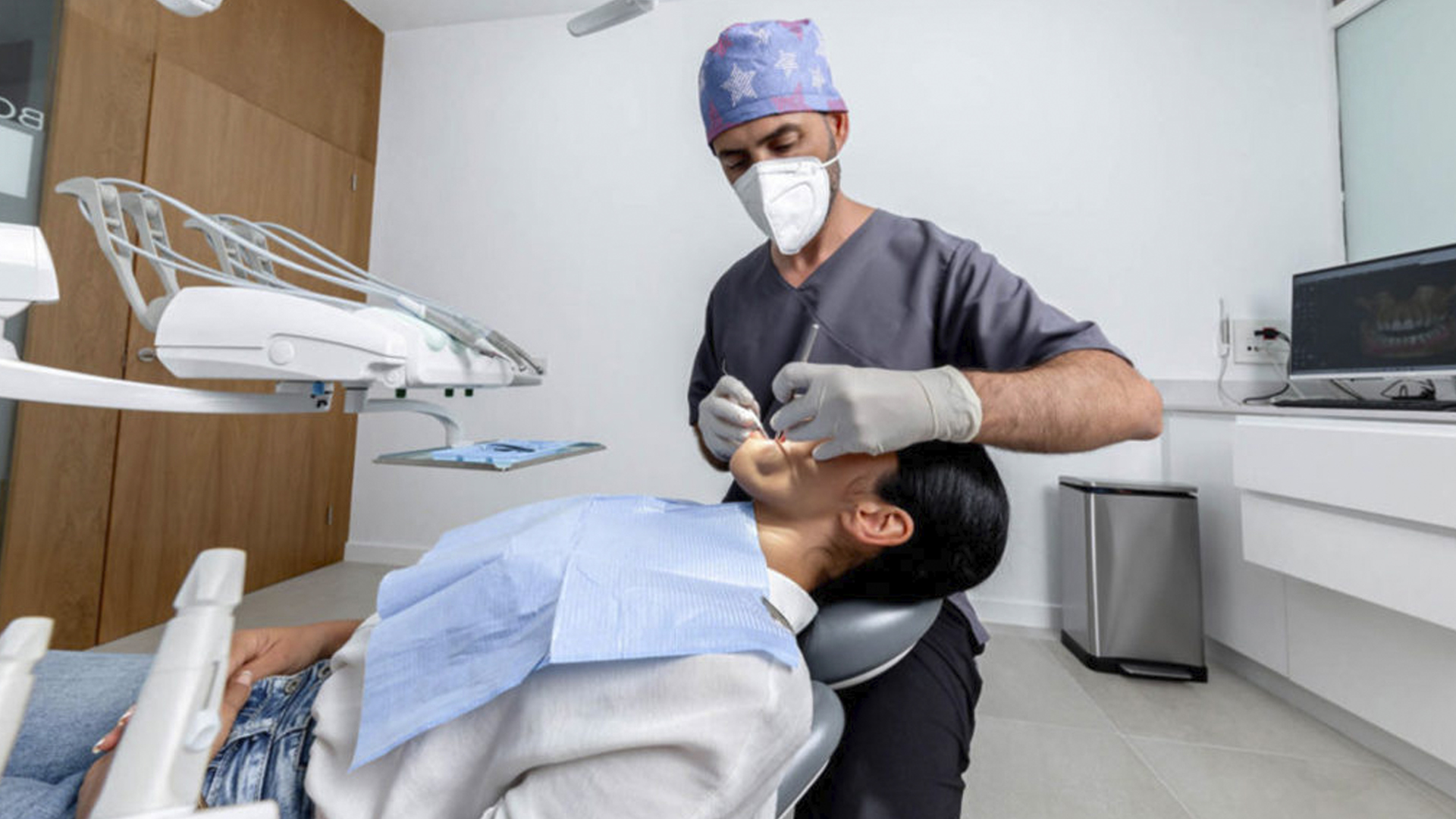

Dental pain has a way of taking over everything. It changes how you eat, how you sleep, how you speak, and how patient you feel with everyone around you. People often try to push through it for a day or two, hoping the throbbing will calm down or that a cracked tooth will somehow stop hurting on its own. In practice, that delay can make a small, treatable issue harder, more painful, and more expensive to fix.
When patients search for an Emergency Dentist Ventura, they are rarely browsing casually. They are usually dealing with a sharp jolt when biting down, a swelling that was not there yesterday, a crown that came off before an important event, or a child crying with a toothache at night. The first priority in those moments is not a perfect long-term restoration. It is fast evaluation, pain management, and a clear plan that makes the next few hours feel manageable.
That is the real purpose of emergency dental care. It is immediate, practical, and focused on stabilizing the situation. Sometimes that means prescribing medication and scheduling a root canal. Sometimes it means draining an infection, smoothing a broken edge, recementing a restoration, or extracting a tooth that cannot be saved. Good emergency dentistry is not just about speed. It is about judgment, triage, and relieving suffering without making promises the clinical picture cannot support.
What counts as a dental emergency
Not every dental problem requires same-day care, but some absolutely do. The challenge is that pain does not always line up neatly with severity. A tiny crack can produce intense sensitivity, while a serious infection may start as a dull ache and then accelerate quickly.
A true dental emergency usually involves one or more of the following: significant pain, swelling, bleeding, trauma, signs of infection, or sudden loss of function. A knocked-out tooth is an obvious emergency. So is facial swelling that appears to be spreading. A fractured front tooth may not be life-threatening, but if dentin or pulp is exposed, prompt care matters for both comfort and the chance of saving the tooth.
The more difficult cases are the ones people talk themselves out of. They tell themselves it is "just a toothache," or they wait because over-the-counter pain relievers seem to be helping a little. A patient may have enough temporary relief to get through the workday, only to wake up in the middle of the night with pressure, swelling, and pain that feels dramatically worse. Teeth often follow that pattern. Once the nerve becomes inflamed or infection starts building under pressure, the body can only compensate for so long.
Here are the situations that usually justify urgent evaluation:
- Severe tooth pain that does not settle, especially if it disrupts sleep or worsens with biting
- Swelling of the gums, jaw, or face, particularly if it is increasing
- A broken, cracked, or knocked-out tooth after trauma
- Uncontrolled bleeding after dental work or an injury
- Signs of infection such as pus, bad taste, fever, or swollen lymph nodes
There is also a category of problems that may not be life-threatening but still deserve prompt attention. A lost filling, a loose bridge, a crown that fell off, or a sharp chipped tooth can quickly become more serious if ignored. The earlier those issues are assessed, the more conservative the solution tends to be.
Why fast evaluation matters more than people realize
Pain is the symptom patients notice first, but the underlying cause determines the urgency. One of the most important jobs of an emergency dentist is distinguishing between conditions that can be monitored briefly and those that need action now.
Take two common examples. One patient has cold sensitivity from a cracked cusp on a molar. Another has a toothache caused by an abscess. Both may describe "a lot of pain." The first problem may be manageable with a temporary protective approach until definitive treatment is scheduled. The second can become medically serious if infection spreads beyond the tooth.
That is why evaluation matters so much. A proper emergency visit often includes a focused exam, X-rays when indicated, percussion testing, gum evaluation, temperature sensitivity checks, and a review of symptoms such as swelling, fever, and changes in bite. The goal is not simply to hand out pain medication. It is to identify whether the source is pulpal, periodontal, traumatic, restorative, or infectious, then decide what needs to happen immediately.
In an office that regularly handles urgent cases, there is also a rhythm to this process. Staff members learn to listen for details that change priorities. A patient who says, "My crown came off but it does not hurt," belongs in a different urgency category than someone saying, "My lower jaw is swollen and I cannot sleep." Those distinctions matter. They help the team move the right patients in quickly and reserve same-day treatment for cases that truly need it.
The most common emergencies seen in Ventura dental offices
Community patterns differ somewhat from city to city, but the same core problems appear repeatedly. In coastal areas like Ventura, active lifestyles can increase the number of sports-related chips, fractures, and facial injuries. Busy family schedules also mean people delay routine care, which can turn a cavity or failing filling into an after-hours crisis.
Toothaches remain the most common reason patients seek emergency care. These are often caused by decay reaching the nerve, a dying tooth, a cracked cusp, or pressure from infection. The pain can be intermittent at first, then become spontaneous and constant. Many patients describe being able to point to the exact tooth for the first day, then struggling to localize the pain once inflammation spreads.
Broken teeth are another frequent problem. A tooth may fracture while chewing ice, crusty bread, nuts, or even something as ordinary as a popcorn kernel. Existing large fillings make back teeth especially vulnerable. Sometimes the break is dramatic and visible. Other times the tooth looks nearly normal, but a hidden crack causes sharp pain on release when biting.
Lost crowns and fillings feel less dramatic, but they can create real trouble. Once the protective restoration is gone, exposed tooth structure can become highly sensitive. If the underlying tooth is already weak, it may chip further. Recementing a crown may be straightforward, but only if the crown still fits well and the tooth underneath is sound. If decay is present or the tooth fractured, the treatment path changes.
Infections deserve special respect. A dental abscess can begin with a small pocket of bacteria and progress to swelling, fever, and significant pain. Not every infection produces obvious swelling right away. Some drain internally through the gums and present more subtly. Others build pressure quickly and create visible facial asymmetry within a short period. When a patient reports trouble swallowing, difficulty opening the mouth, or swelling extending into the cheek or under the jaw, the case moves into a more urgent category.
What pain management really looks like
People often assume pain management means medication alone. In dentistry, that is only part of the picture. The most effective relief usually comes from reducing the source of pressure or irritation.
If a tooth has an inflamed nerve trapped inside rigid enamel and dentin, medication may dull the edge, but it often will not solve the problem. Opening the tooth for endodontic treatment, placing a sedative dressing, adjusting the bite, or draining infection can change the pain pattern far more than pills by themselves. In other words, the best pain management is often procedural.
That said, medication still has an important role. Dentists commonly recommend over-the-counter options when medically appropriate, and in some cases prescribe antibiotics or other medications based on the diagnosis. Antibiotics are not a cure for every toothache, which is a point worth stressing. They help when infection is present or spreading, but they do not fix a cracked tooth, reverse pulpitis, or repair decay. Overprescribing them for non-infectious pain is not good care.
The practical side of pain control also includes bite protection. A small adjustment to a high filling or a fractured tooth taking too much force can make a dramatic difference. Patients are sometimes surprised by how much relief comes from smoothing a sharp edge, placing a temporary material, or covering exposed dentin. Emergency dentistry often works in these small but meaningful steps.
An experienced clinician also pays attention to the emotional component of pain. Someone who has not slept for two nights and arrives anxious, embarrassed, or frustrated needs a calm explanation as much as they need local anesthetic. A rushed, vague visit can leave a patient feeling worse even if the immediate pain improves. Clear expectations matter. If numbness will wear off in a few hours, the patient should know that. If the tooth still needs a root canal or extraction later, that should be said plainly.
What to do before you reach the office
A few simple steps can keep the situation from getting worse while you arrange care. These are not substitutes for treatment, but they can help protect the tooth and lower the stress of the moment.
- Rinse gently with warm water and avoid chewing on the painful side
- Use a cold compress on the outside of the face for swelling, 15 minutes on and 15 minutes off
- If a tooth is knocked out, hold it by the crown, not the root, and keep it moist in milk or saliva
- If a crown comes off, save it and bring it with you
- Take over-the-counter pain medicine only as directed and only if it is safe for you medically
There are also a few things not to do. Do not place aspirin directly on the gums. It can burn the tissue and create another problem. Do not ignore rapidly increasing swelling. Do not keep testing a cracked tooth by biting on it repeatedly. Patients do this more often than you might think, usually because they are trying to figure out whether the pain is "real" or getting better. If a tooth hurts with pressure, repeated testing usually just aggravates it.
The first emergency visit, what patients can expect
A good emergency appointment is focused and efficient. That does not mean rushed. It means the team is trying to answer three questions quickly: what is happening, how urgent is it, and what will bring the safest relief today?
Most visits begin with a concise history. When did the pain start, what triggers it, how severe is it, has there been trauma, swelling, fever, or previous work on the tooth? A short but well-done history often reveals more than people expect. For example, pain that lingers after hot or cold usually points in a different direction than pain that occurs only when chewing. Night pain carries a different significance than fleeting sensitivity.
The exam follows. This may include looking for fractures, checking the bite, pressing gently on gums, tapping teeth, measuring periodontal pockets, and taking X-rays. If swelling is present, the location matters. Swelling confined to the gum near a tooth is not the same as diffuse swelling moving into facial spaces. Those distinctions guide the treatment plan.
From there, the emergency dentist explains the findings and offers immediate options. Some patients need definitive treatment the same day. Others need temporary stabilization and a follow-up visit. Common same-day procedures include drainage of an abscess, palliative pulpal treatment, temporary filling placement, recementing a crown, smoothing a fractured tooth, reimplantation or splinting after trauma, or extraction when the tooth is not restorable and infection or pain is significant.
It is also common for the https://israelbagh266.nexorafield.com/posts/emergency-dentist-ventura-solutions-for-painful-dental-accidents first visit to address pain first and complete full reconstruction later. That is not a shortcut. It is appropriate sequencing. If someone presents with severe pain from a fractured molar, the right immediate goal may be to calm the tooth and protect it. The definitive crown, root canal, or replacement plan can follow once the acute phase is under control.
When a tooth can be saved, and when it cannot
This is often the question patients care about most, especially after trauma or sudden fracture. The answer depends on more than pain level. It depends on how deep the crack runs, whether the pulp is involved, the amount of remaining tooth structure, bone support, decay extent, and overall restorability.
A front tooth that chips in an accident may look alarming but still be quite treatable. Bonding or a crown may restore appearance and function with a good long-term outlook. A back tooth with a vertical root fracture, by contrast, may look almost normal above the gumline but have a poor prognosis. These are the frustrating cases because patients often feel the severity should match what they can see. In dentistry, it often does not.
Emergency dentists make these judgment calls carefully. Removing a tooth too quickly is not ideal, but promising to save a hopeless one can be just as harmful. The best care is honest care. If a tooth has a reasonable chance with root canal treatment and a crown, that should be discussed. If the crack pattern or decay makes failure likely, extraction and replacement options should be presented clearly.
Patients appreciate candor here, especially when they are in pain. A measured explanation usually lands better than false reassurance. Most people can handle hearing, "We may be able to save this, but I need to be upfront about the risks," if the reasoning is sound.
Special cases that deserve extra caution
Some emergency situations involve more than the tooth itself. Facial swelling with fever, difficulty breathing, or difficulty swallowing is not a routine dental issue. Those symptoms can indicate a spreading infection that requires immediate medical attention. In that setting, the safest advice may be to go directly to an emergency department, with dental follow-up coordinated afterward.
Children bring a different set of concerns. A baby tooth that is pushed out of position after a fall is managed differently from an adult tooth. Timing, growth, and the developing permanent tooth all matter. Parents are understandably distressed in these situations, and a calm, specific plan helps. So does avoiding improvised home treatment beyond basic first aid.
Older adults may have complex dental histories, medications, dry mouth, root decay, and multiple crowns or bridges. Pain can come from several potential sources at once. A crown that feels "fine for years" may fail suddenly because the tooth underneath has decayed or fractured. Emergency care in these cases often requires more detective work and a realistic conversation about what treatment is worth doing based on the patient’s overall health and goals.
Pregnancy also changes the conversation. Dental infections should not be ignored during pregnancy, but medication and imaging decisions should be made thoughtfully. A competent emergency dentist will tailor treatment to protect both comfort and safety, rather than delaying everything automatically.
Choosing the right Emergency Dentist Ventura patients can trust
When people are in pain, they tend to focus on the first available appointment. Availability matters, but it should not be the only factor. The right emergency provider combines access with diagnostic skill, good communication, and the ability to move from triage to treatment without unnecessary delay.
Responsiveness is often the first sign of a well-run emergency practice. Does the office ask the right questions when you call? Do they make room for urgent cases when clinically appropriate? Do they explain whether they can provide treatment that day or only an exam? That kind of clarity reduces frustration and helps patients make better decisions.
Experience also matters. Emergency dentistry is not simply routine dentistry performed faster. It involves incomplete information, anxious patients, swelling, trauma, and time-sensitive decisions. A clinician who handles urgent care regularly becomes more comfortable distinguishing between what must happen now and what can safely wait.
Practical logistics count too. Digital X-rays, same-day procedures, clear financial communication, and a staff that knows how to support distressed patients make a noticeable difference. Most people do not judge emergency care by how elegant the waiting room looks. They judge it by whether they felt heard, whether the pain improved, and whether they left understanding the next step.
The role of follow-up after the crisis settles
A common mistake is assuming the emergency visit is the end of treatment. In many cases, it is the beginning. Pain may be controlled and infection reduced, but the underlying problem still needs a durable solution.
A tooth opened to relieve pressure may still need full root canal therapy and a final crown. A recemented crown may need replacement if the fit is marginal or decay is present. A tooth that was splinted after trauma needs monitoring for vitality and stability. Even a simple extraction often leads to a discussion about replacement, bite changes, and preserving function over time.
This is where good offices distinguish themselves. They do not just put out fires. They connect the emergency to the larger picture of oral health. That may involve reviewing why the tooth failed, whether grinding played a role, whether routine exams have been missed, or whether a neglected cavity has become a pattern. The point is not blame. It is prevention.
Patients often tell you they wish they had come in sooner. That is a natural reaction after a painful episode. The better takeaway is not guilt. It is a practical shift: if something changes suddenly in the mouth, pain, swelling, looseness, fracture, or a restoration coming off, it is worth getting checked before the problem gathers momentum.
The value of an Emergency Dentist Ventura residents can rely on is not just the ability to see people quickly. It is the ability to make a stressful situation feel organized, explain what is happening in plain language, control pain responsibly, and protect as many treatment options as possible. When that happens, patients usually remember two things very clearly: how bad things felt before they came in, and how much calmer things felt once someone competent took over.
Avra Dental
1708 S Victoria Ave B, Ventura, CA 93003, United States
Phone: +1 805-765-3206
FAQ About Emergency Dentist Ventura
Can the ER do anything for tooth pain?
An emergency department can assess serious symptoms and provide temporary relief, but definitive dental treatment usually requires a dentist. Trouble breathing or swallowing, uncontrolled bleeding, or swelling spreading into the neck requires emergency medical care.
What do I do if I have a dental emergency and no dentist?
Contact a local emergency dental practice promptly, explain your symptoms, and ask about the earliest available assessment. Avra Dental provides emergency dentistry in Ventura; call to confirm availability. If you have life-threatening symptoms or a serious facial injury, go to an emergency department or call 911.
What do I do if tooth pain is unbearable?
Seek urgent dental assessment rather than waiting for the pain to pass. While arranging care, gently rinse with warm water and avoid placing aspirin directly on the tooth or gums. Severe pain with trouble breathing or swallowing, rapidly spreading swelling, or uncontrolled bleeding needs immediate emergency medical care.