Periodontal Treatment Ventura for Bleeding Gums and Receding Gumlines
@griffindvds126
October 2, 2026 · 15 min read
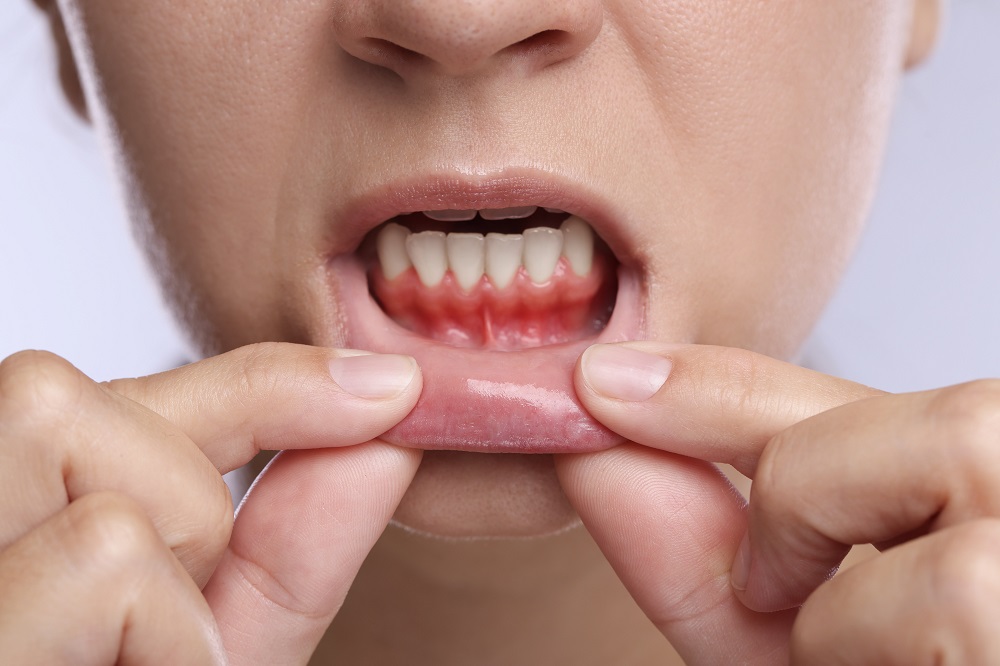
Bleeding gums are easy to dismiss. Many people notice pink in the sink, assume they brushed too hard, and move on. Receding gumlines often get the same treatment. A tooth looks slightly longer than it used to, maybe there is a little sensitivity near the root, but daily life continues. By the time those changes feel urgent, the underlying gum disease has often been active for months or years.
That is why timely periodontal care matters. When patients ask about Periodontal Treatment Ventura, they are usually not asking about cosmetics alone. They want to stop the bleeding, keep their teeth stable, get rid of bad breath that keeps returning, and avoid the kind of treatment that becomes larger, slower, and more expensive when gum disease is allowed to progress.
Gum tissue does not tend to become inflamed without a reason. The most common driver is bacterial plaque that sits along and under the gumline. If plaque is not removed thoroughly, it hardens into calculus, often called tartar, and that rough surface makes it easier for more bacteria to collect. The immune system responds. Gums swell, become tender, and bleed more easily. At first, the damage may be limited to gingivitis, which is inflammation without loss of supporting bone. Once that process advances to periodontitis, the stakes change. The bone and connective tissues that hold teeth in place begin to break down.
People often expect serious periodontal disease to be dramatic. Sometimes it is. Gums can look red and puffy, teeth can shift, and chewing can become uncomfortable. But some of the most concerning cases are deceptively quiet. A patient may have little pain and still show significant pocketing, recession, and bone loss on exam and X-rays. Gum disease is not always loud. It is often steady.
What bleeding gums are really telling you
Healthy gums generally do not bleed during normal brushing or flossing. If they do, something is irritating them. That does not automatically mean advanced periodontitis, but it does mean the tissue is inflamed and deserves attention.
In day-to-day practice, bleeding gums usually fall into a few broad categories. The most common is biofilm buildup from inconsistent brushing, inadequate flossing, or technique that misses the gumline. Orthodontic appliances, crowded teeth, and certain restorations can make cleaning harder and increase risk. Dry mouth can worsen the problem because saliva helps buffer acids and wash away debris.
Hormonal changes can also make gums more reactive. Pregnancy, puberty, and menopause can all increase inflammation in susceptible patients. Some medications play a role, including drugs associated with gum overgrowth or dry mouth. Smoking is another major factor, though it complicates the picture. Smokers may show less obvious bleeding despite more severe disease, because nicotine affects blood flow and inflammatory response. That can create a false sense that everything is fine.
Then there is the patient who says, "I only bleed when I floss, so I stopped flossing." That is understandable, but it usually works against healing. If plaque remains between the teeth, the inflammation persists. Proper cleaning can make the area tender at first, then healthier over time. The key is doing it correctly and consistently, not aggressively.
Why gumlines recede
Receding gumlines are not caused by one thing. They are the visible end point of several different processes, and the treatment depends on which process is actually at work.
Periodontal disease is a major cause. When inflammation breaks down supporting tissue, the gum margin can migrate downward on lower teeth or upward on upper teeth, exposing more root surface. Teeth may begin to appear longer, but the larger issue is that the attachment apparatus is changing.
Mechanical trauma can contribute too. Overbrushing with a stiff brush or a forceful horizontal scrubbing motion can wear away tissue over time, especially in patients with thin gums. Clenching and grinding may not directly cause recession, but they can add stress to teeth and surrounding structures. Tooth position matters as well. Teeth that sit too far toward the lip or cheek can have thinner bone and softer tissue coverage, which makes recession more likely.
Anatomy plays a quiet but important role. Some people naturally have a thin periodontal phenotype, sometimes described as a delicate gum biotype. In those patients, small irritants can create more visible recession than they would in someone with thicker tissue. A lip or cheek frenum that pulls on the gum margin can also affect local stability. If recession is connected to bite issues, anatomy, brushing trauma, or active infection, treating only the visible symptom will not hold. The underlying driver has to be addressed.
Symptoms patients notice, and symptoms they miss
Bleeding and recession get attention because they are visible. Other warning signs are easier to overlook. Persistent bad breath is common in periodontal disease because bacteria and trapped debris accumulate deep along the gumline. Some patients report a bad taste that returns soon after brushing. Others notice tenderness while eating crusty bread, apples, or chips, foods that put pressure on swollen gums.
Tooth sensitivity near the root is another clue. Root surfaces are not covered by enamel the way the crown is. Once recession exposes cementum and dentin, cold drinks and even a breath of cool air can trigger discomfort. Teeth may also feel slightly loose, though patients sometimes describe it differently. They say a tooth feels "different" or "not as solid" when they bite.
What people often miss are the subtle changes in fit and spacing. A contact between teeth that once felt snug starts trapping food. A front tooth shifts slightly. A night guard no longer seats the same way. These can be signs that the periodontal support is changing. When that is paired with bleeding, plaque retention, or visible recession, a comprehensive gum evaluation is warranted.
How a periodontal evaluation usually works
A proper periodontal exam is more than a quick look at the gums. It combines visual findings, measurements, imaging, and risk assessment. The details matter because not all bleeding gums need the same treatment, and not all recession should be managed the same way.
A typical evaluation includes the following:
- Measuring the depth of the spaces between teeth and gums, often called periodontal pockets.
- Checking for bleeding points, gum recession, and areas where roots are exposed.
- Evaluating tooth mobility, bite forces, and plaque or calculus buildup.
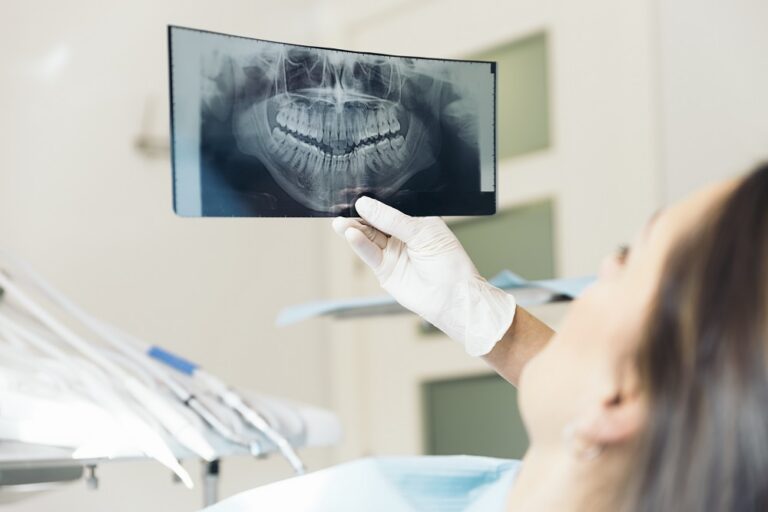
- Reviewing X-rays to assess bone levels and hidden deposits below the gumline.
- Considering risk factors such as smoking, diabetes, dry mouth, medications, and home care habits.
Those measurements create a map. A three-millimeter sulcus with no bleeding is very different from a six-millimeter pocket with calculus and bone loss. Recession on a single canine from brushing trauma is different from generalized recession associated with long-standing periodontitis. Good treatment planning depends on that distinction.
In Ventura, as in many coastal communities, dental teams also see a broad mix of patients, from younger adults with early gingivitis to older adults managing decades of restorations, recession, and chronic inflammation. The treatment approach has to be personalized. A healthy 32-year-old with postpartum gum inflammation is not managed the same way as a 68-year-old smoker with deep pockets and furcation involvement around molars.
What periodontal treatment may involve
When patients hear the phrase Periodontal Treatment Ventura, they often imagine surgery right away. Sometimes surgery is needed, but many cases start with non-surgical care. The first goal is to reduce the bacterial load under the gums and remove the deposits that keep inflammation active.
For mild disease, a professional cleaning and improved home care may be enough. If inflammation is limited to gingivitis, the tissue can often recover well once plaque is controlled. When there are deeper pockets and attached calculus below the gumline, scaling and root planing is often recommended. This is a more thorough cleaning of root surfaces beneath the gums, typically done with local anesthetic so the patient can stay comfortable. The purpose is to disrupt bacterial colonies and create a cleaner surface the tissue can reattach to as much as possible.
Patients sometimes expect an immediate visual transformation. The real goal is health, and healthy gums do not always look fuller right away. In fact, after swelling subsides, recession may appear more obvious. That can be unsettling, but it usually means the tissue is no longer puffed up from inflammation. A pocket that measured deep because the gums were swollen may shrink substantially after proper treatment, which is good news even if the contour changes.
Adjunctive therapies may be used in selected cases. Antimicrobial rinses, localized antibiotics, or laser-assisted approaches are sometimes part of care, depending on the diagnosis and the clinician’s judgment. These are not universal solutions, and they do not replace mechanical debridement. If calculus remains, the bacteria still have a protected place to thrive.
When non-surgical therapy does not fully resolve the disease, surgery may be the next step. Periodontal flap procedures allow direct access to deep root surfaces and bony defects. In certain cases, regenerative materials may be used in an effort to rebuild lost support. For recession defects, gum grafting can help cover exposed roots, reduce sensitivity, and improve tissue thickness. Not every site is a good candidate for complete root coverage, and experienced periodontists are usually careful not to overpromise on aesthetics when anatomy limits the result.
Treating recession is not always just about coverage
A common misconception is that every receding gumline should be covered as soon as possible. Sometimes that is the right move. Sometimes it is not. The first question is whether the recession is active, stable, or linked to untreated disease.
If a patient has ongoing inflammation, plaque buildup, or unstable pocketing, a graft placed before those issues are controlled is less predictable. Likewise, if the patient is brushing too hard or grinding heavily at night, the tissue may remain under stress even after surgery. The sequence matters. Stabilize the environment first, then consider soft tissue correction.
That is also where patient goals come into play. One person is mostly bothered by cold sensitivity on a lower premolar. Another is concerned about the appearance of a high smile line where the recession shows clearly. A third has little sensitivity and no cosmetic concern, but needs the area monitored because root exposure increases cavity risk. Dentistry is not one-size-fits-all, and periodontal care certainly is not.
In practical terms, a thoughtful treatment plan often balances three priorities: stopping disease activity, preserving support, and improving comfort or appearance where appropriate. When those priorities conflict, health usually comes first.
The link between gum disease and overall health
Dentists and periodontists have been discussing the mouth-body connection for years, and for good reason. Chronic inflammation in the gums does not exist in isolation. While it would be careless to overstate direct cause-and-effect relationships, it is reasonable and well accepted that periodontal disease can interact with broader health conditions.
Diabetes is one of the clearest examples. Poorly controlled blood sugar can make periodontal disease harder to manage, and active periodontal inflammation can complicate diabetic control. It is a two-way relationship. Cardiovascular health, immune function, and inflammatory burden also enter the conversation, though the exact pathways vary and should be discussed responsibly rather than sensationally.
From a clinical standpoint, the takeaway is simple. If someone has bleeding gums that persist, deep periodontal pockets, or recurring periodontal infections, that person is carrying chronic inflammation and bacterial burden they would be better off treating. The benefits are local and immediate, even before broader health implications are considered.
What recovery and maintenance really look like
The active phase of treatment is only part of the story. Periodontal disease has a chronic nature. Once a patient has lost supporting tissue, the mouth requires long-term maintenance if the goal is to keep teeth stable. That does not mean a gloomy future. It means structured follow-up.
After scaling and root planing, most clinicians reassess in several weeks. They check whether bleeding has decreased, whether pocket depths have improved, and whether the patient can keep the area clean. If the tissue responds well, the next step is supportive periodontal therapy at intervals based on risk. For many periodontal patients, that interval is closer to three or four months than six. The reason is practical. Bacterial communities repopulate over time, and patients who have already shown susceptibility usually benefit from shorter recall periods.
Maintenance visits are not "just a cleaning." They involve reviewing pocketing, bleeding, recession, and home care patterns. Sites that start to deepen again can be caught early. Restorations that trap plaque can be identified. Occlusal problems, clenching damage, and recession progression can be monitored before they become major setbacks.
Home care matters just as much as professional follow-up. Not perfect, not obsessive, but accurate. A soft-bristled brush angled at the gumline, floss or interdental cleaners used correctly, and consistency day after day often make a larger difference than patients expect.
Small habits that protect gum health
Patients often ask what actually moves the needle between appointments. Usually, it is not a miracle product. It is ordinary habits done well.
Here are the behaviors that tend to matter most:
- Brush gently twice a day with a soft toothbrush and a technique that cleans the gumline rather than scrubbing across it.
- Clean between the teeth daily, using floss or interdental brushes chosen for the actual spaces present.
- Keep periodontal maintenance visits on schedule, especially if you have a history of pocketing or bone loss.
- Address dry mouth, smoking, and uncontrolled diabetes, all of which can make gum disease harder to control.
- Speak up early if you notice bleeding, sensitivity, a new gap, or a tooth that feels different when you bite.
That advice sounds simple because it is. The challenge is consistency and technique. I have seen patients with expensive electric brushes still miss the lingual surfaces behind their lower front teeth every day. I have also seen patients with basic tools maintain excellent gum health because https://augustjjln369.quantlynix.com/posts/how-periodontal-treatment-ventura-addresses-gum-inflammation they understand where plaque hides and how to disrupt it.
When bleeding gums are not just a hygiene problem
Not every case comes down to brushing and flossing. Some patients do nearly everything right and still struggle because the anatomy is working against them. Deep grooves in roots, crowded lower incisors, old crowns with overhangs, and molars with furcations can all create sheltered spaces where plaque accumulates. In those mouths, maintenance has to be more deliberate, and professional intervention may need to happen sooner.
There are also cases where the gum issue is a clue to something systemic or medication-related. A patient with sudden widespread gum changes, unusual ulceration, or tissue overgrowth deserves a careful medical review. Responsible dental care includes knowing when the pattern is typical periodontitis and when it may not be.
This is one reason a thorough evaluation matters more than internet advice. Two people can both complain of bleeding gums and have completely different diagnoses. One may need a routine cleaning and coaching. The other may need a staged periodontal plan with imaging, deep cleaning, and surgical consultation.
Finding the right help in Ventura
If you are looking for Periodontal Treatment Ventura, experience and diagnostic depth matter more than sales language. Gum treatment works best when the provider explains what type of disease is present, what measurements support that diagnosis, what the realistic options are, and how success will be maintained over time.
A strong periodontal provider or general dentist managing gum disease carefully should be able to show you where the problem areas are, explain pocket measurements in plain language, discuss whether recession is stable or active, and outline what outcomes are realistic. For example, if a molar has advanced bone loss between roots, the conversation should include long-term prognosis, not just the next cleaning. If a front tooth has recession from trauma and thin tissue, the discussion should include whether grafting is likely to improve root coverage or mainly reinforce the tissue.
Good care also feels collaborative. Patients do better when they understand the "why" behind recommendations. Telling someone they need a deep cleaning without explaining pocket depths, bone levels, and bleeding points tends to create confusion. Showing the disease pattern and connecting it to symptoms usually leads to better follow-through.
The cost of waiting
The most expensive periodontal treatment is often the one delayed until teeth become loose, infection recurs, or complex reconstruction is needed. Early care is usually simpler. Gingivitis can often be reversed. Mild to moderate periodontitis can often be stabilized. Advanced disease can sometimes still be managed successfully, but the margin for error narrows and the need for ongoing maintenance increases.
Patients sometimes delay because nothing hurts. That is understandable. Gum disease can be remarkably painless until support has already been lost. But bleeding, recession, food trapping, and bad breath are not minor nuisances when they persist. They are signals.
The practical goal of periodontal treatment is not just cleaner teeth. It is preserving the bone and connective tissue that keep those teeth functional for years to come. For many people, that means stopping a process that has been quietly active in the background. For others, it means protecting vulnerable gumlines before further recession exposes more root and increases sensitivity.
Whether the issue is early inflammation or established periodontitis, timely evaluation can change the trajectory. Patients who seek Periodontal Treatment Ventura for bleeding gums and receding gumlines are often relieved to learn that the problem can be understood clearly, treated methodically, and maintained successfully with the right plan. The earlier that process starts, the more options tend to remain on the table.
Avra Dental
Address: 1708 S Victoria Ave B, Ventura, CA 93003
Phone number: (805) 941-1001
FAQ About Periodontal Treatment Ventura
Can a dentist get rid of periodontal disease?
A dentist or gum specialist (periodontist) cannot fully cure or reverse advanced periodontal disease (periodontitis), but they can successfully stop its progression and manage the infection.
Is periodontitis very serious?
Yes, periodontitis is a very serious, advanced form of gum disease that destroys the bone and tissues supporting your teeth.
How is stage 2 periodontal disease treated?
Stage 2 periodontal disease (early to moderate periodontitis) is primarily treated with non-surgical deep cleaning procedures like scaling and root planing to remove bacteria and tartar below the gumline.