What Sets Professional Periodontal Treatment in Ventura Apart
@griffindvds126
October 2, 2026 · 14 min read
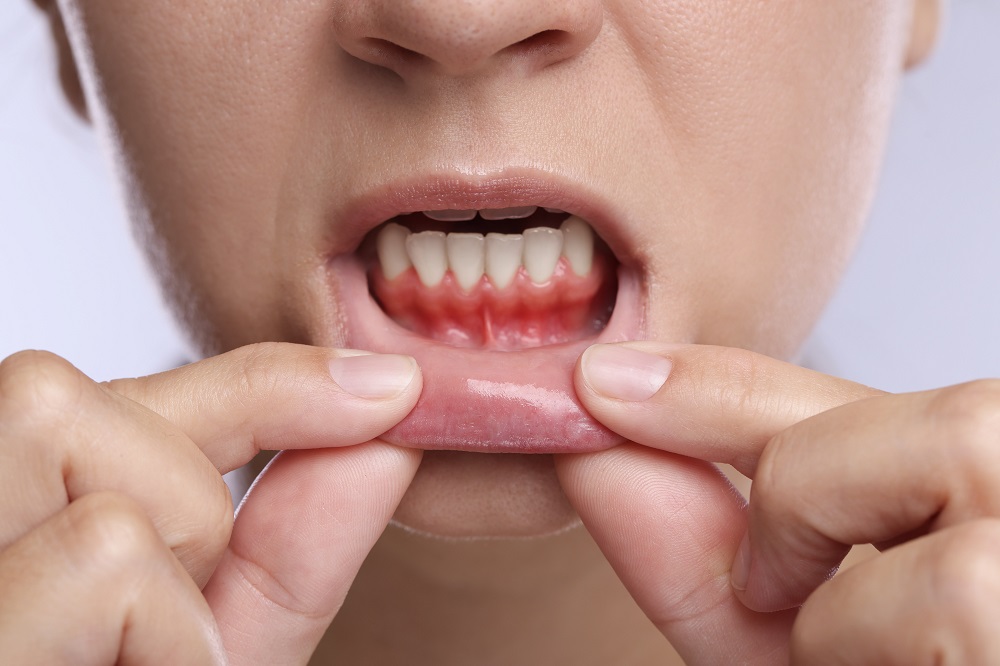
Periodontal disease rarely announces itself with drama. It usually begins quietly, with bleeding at the sink, tenderness along the gumline, or a sense that the teeth feel slightly different when biting down. Many people dismiss those changes for months, sometimes years. By the time they seek care, the problem has often moved beyond simple gingivitis and into the deeper structures that hold teeth in place.
That is where professional care makes the difference, and in a place like Ventura, that difference can be especially noticeable. Patients looking for Periodontal Treatment Ventura are not only looking for someone to clean their teeth more thoroughly. They are looking for accurate diagnosis, disciplined treatment planning, thoughtful maintenance, and a clinician who understands how oral inflammation affects comfort, appearance, chewing function, and long-term health.
The best periodontal treatment is not defined by a polished office alone or by a long menu of technologies. What sets it apart is judgment. A skilled periodontal team knows when non-surgical therapy is enough, when surgery is the right call, when an implant should wait, and when a patient’s habits, medical history, or bite forces matter more than any instrument in the room.
The difference starts with diagnosis, not treatment
One of the clearest signs of high-level periodontal care is that the first appointment is not rushed into procedures. Good periodontics starts with measuring, comparing, and interpreting. That means probing depths, bleeding points, gum recession, tooth mobility, bone levels on radiographs, plaque retention patterns, and the way the teeth meet under load.
A patient may arrive saying, “My gums are swollen,” but the real question is why. Is the issue plaque-induced inflammation? A failing crown margin that traps bacteria? Clenching that is traumatizing already compromised support? Dry mouth from medication? Poorly controlled diabetes? A history of smoking or vaping? Pregnancy-related inflammation? Each of those changes the plan.
In experienced hands, diagnosis becomes more than naming the disease. It becomes identifying the drivers. Two patients can both carry a label of moderate periodontitis and require very different care. One may respond beautifully to meticulous non-surgical scaling and root planing followed by maintenance every three months. The other may need pocket reduction surgery because deep defects remain active despite excellent home care. Professional periodontal treatment in Ventura stands apart when the provider does not treat charts or X-rays in isolation, but reads the whole clinical picture.
Ventura patients often value a conservative but not passive approach
There is a balance that good periodontal care maintains well. It is conservative in the sense that it preserves tissue, avoids unnecessary intervention, and respects what can be stabilized without surgery. At the same time, it is not passive. Watching deep pockets bleed year after year is not conservative care. It is neglect dressed up as patience.
The strongest clinicians know when to step in decisively. If a six or seven millimeter pocket continues to bleed after initial therapy, that is clinically meaningful. If furcation involvement around a molar is trapping bacteria that a toothbrush simply cannot reach, the treatment discussion needs to become more serious. If gum recession is exposing root surfaces and creating sensitivity or aesthetic concern, the patient deserves a straightforward explanation of what grafting can and cannot accomplish.
That measured style matters. Patients tend to do better when they understand that treatment is neither overdone nor delayed. In my experience, trust grows when the dentist or periodontist says, “Here is what I would treat now, here is what I would monitor, and here is why.” That kind of clarity separates routine dental cleanup from true periodontal care.
Non-surgical therapy is more sophisticated than many people realize
There is a common assumption that periodontal treatment begins with surgery. Often, it does not. Many cases improve significantly with well-executed non-surgical therapy, especially when inflammation is caught before severe attachment loss. But “deep cleaning” is too casual a phrase for what skilled clinicians actually do.
Scaling and root planing, when properly indicated, is careful debridement below the gumline to disrupt bacterial biofilm and remove calculus from root surfaces. It requires a detailed understanding of root anatomy, tissue response, local anesthesia when needed, and realistic follow-up. The goal is not merely to make the teeth feel smoother. The goal is to reduce pocket depths, decrease bleeding, and create an environment the patient can maintain at home.
Where less experienced care can fall short is in the follow-through. A patient receives treatment, feels better, and assumes the disease is gone. In reality, periodontitis is managed, not erased. Re-evaluation matters. Pocket measurements must be repeated. Areas of persistent inflammation have to be identified. Some sites improve enough to maintain. Others reveal that the disease is more advanced than it first appeared.
When people search for Periodontal Treatment Ventura, they often discover that the quality of re-evaluation is what makes one office different from another. Professional care does not stop after instrumentation. It checks whether the biology responded.
Local expertise often shows in surgical judgment
When surgery is recommended, the conversation should become more precise, not more dramatic. Terms like flap surgery, osseous recontouring, regenerative therapy, crown lengthening, and connective tissue grafting can sound intimidating. They should be explained in plain language, with a direct link to the patient’s actual problem.
Take regenerative treatment as an example. It may be considered when bone loss forms a defect shape that has a reasonable chance of responding to guided tissue regeneration or bone grafting materials. Not every bony defect is a candidate. A careful specialist will explain when the anatomy is favorable and when expectations should be modest.
The same is true for gum grafting. Some patients think every area of recession needs to be covered. Others assume no treatment is possible. The truth lives in the middle. Coverage depends on tissue thickness, root position, brushing https://www.google.com/maps?cid=6886544599407677320 habits, bite forces, and whether the recession is stable or progressing. In some cases, the purpose of grafting is not cosmetic coverage alone, but strengthening thin tissue to reduce future breakdown.
A strong Ventura periodontal practice tends to distinguish itself here. It does not present surgery as a generic package. It tailors the recommendation to anatomy, risk, healing potential, and the patient’s priorities.
Maintenance is where the long-term success really happens
Patients often remember the treatment day. Clinicians remember the maintenance years. The difference is important. Periodontal therapy succeeds or fails over time, and maintenance is where that outcome is decided.
A person with a history of periodontitis is usually not a six-month-prophy patient in the traditional sense. Once attachment loss has occurred, the mouth requires closer supervision. Three-month periodontal maintenance intervals are common, though schedules can vary based on risk. At those visits, the clinician is not simply polishing teeth. The visit is a surveillance appointment. Bleeding, pocket recurrence, plaque control, tissue tone, furcations, mobility, and changes around restorations or implants all need attention.
There is also a human side to this. Many patients have periods where life interrupts routines. Stress rises. A medical diagnosis appears. Medications change. A family caregiving role takes over. Oral hygiene slips. Professional periodontal care works best when the office responds without judgment and helps the patient reestablish control before relapse becomes severe.
That continuity is one reason people often stay with a trusted periodontal team for years. The relationship becomes preventive, not just corrective.
The role of technology, and its limits
Modern technology can absolutely improve care, but technology alone is not what sets professional treatment apart. Digital radiographs, intraoral cameras, soft tissue lasers, 3D imaging, and advanced ultrasonic instrumentation all have value when used appropriately. They can improve visualization, patient education, precision, and comfort.
Still, there is a tendency in some settings to let equipment do too much of the selling. The real question is whether the technology improves diagnosis or outcomes in that particular case. A cone beam scan, for example, can be very useful in implant planning or in evaluating certain defects. It is not automatically needed for every patient with gum inflammation. A laser may have a role in selected periodontal procedures, but it does not replace fundamentals like debridement, tissue management, and maintenance.
Patients tend to benefit most when technology is integrated quietly into careful care, rather than used as a marketing headline. Ventura practices that earn long-term trust usually understand that distinction.
Medical complexity changes periodontal care
Periodontal treatment does not happen in a vacuum. Some of the most meaningful differences in care show up when a patient has other medical factors in play. Diabetes is a classic example. Poor glycemic control can worsen periodontal inflammation, and active periodontal disease can make diabetic control harder. That two-way relationship means treatment planning has to be coordinated, not isolated.
The same goes for patients taking anticoagulants, immunosuppressive medications, bisphosphonates, or drugs that contribute to dry mouth or gingival overgrowth. Pregnancy changes tissue response. Autoimmune disease can complicate healing. Smoking and vaping remain major risk factors, even when patients are otherwise conscientious.
A seasoned periodontal team knows how to adjust timing, anesthesia choices, post-operative planning, and expectations around healing. It also knows when to communicate with a physician. That level of coordination is not glamorous, but it is one of the clearest marks of professionalism.
Communication matters as much as technique
One of the biggest reasons patients delay gum treatment is that they do not fully understand the stakes. They hear words like “pockets” and “bone loss,” but no one translates those findings into everyday consequences. Good periodontal care closes that gap.
Patients deserve to know what can happen if disease progresses. Teeth can loosen. Spaces can open. Food traps become more frequent. Breath can worsen. Root sensitivity can increase. Chewing can become less comfortable. Restorative work can become more complicated and expensive because the foundation is unstable.
They also deserve honesty about what treatment can and cannot reverse. Inflamed tissue can often improve dramatically. Bleeding can stop. Pocket depths can shrink. Some bone and attachment changes, however, are permanent. Professional care often stabilizes disease rather than restoring the mouth to its original state. When that is explained early, patients make better decisions and are less likely to feel blindsided later.
A practical conversation often includes these warning signs that should not be ignored:
- bleeding during brushing or flossing that happens regularly
- persistent bad breath or a sour taste in the mouth
- gums that are pulling away from the teeth
- tenderness when chewing, or teeth that feel slightly loose
- swelling that improves briefly and then returns
That short list can prompt action, but the real work still happens in the discussion that follows. The best clinicians explain urgency without using fear as a tool.
Ventura’s environment and lifestyle can influence oral health habits
Geography does not cause periodontal disease, but local lifestyle can shape how it shows up and how patients manage it. Ventura residents often lead active lives, juggle work and family schedules, and spend a good amount of time outdoors. Those are strengths, but they can also create blind spots. People who are very health-conscious in other areas sometimes underestimate gum disease because it is painless in its early stages. They may eat well, exercise regularly, and keep medical appointments, yet still skip consistent interdental cleaning or delay specialty follow-up.
There is also a coastal-casual mindset that can be both refreshing and risky. Minor symptoms are easy to shrug off when they do not interrupt daily function. A little bleeding does not feel urgent. Mild recession becomes normal. By the time the issue affects aesthetics or comfort, the treatment is often more involved.
The better Ventura practices meet patients where they are. They do not lecture. They coach. They make home care practical, not idealized. If floss is unrealistic for a patient with tight contacts and poor compliance, the solution may be interdental brushes, a water flosser, or a customized routine that actually gets used. Perfect advice that goes ignored helps no one.
Implant care is part of the modern periodontal picture
A strong periodontal practice today also understands that gum treatment and implant care are closely linked. Dental implants can be an excellent option for replacing missing teeth, but they are not immune to inflammatory disease. Peri-implant mucositis and peri-implantitis are real concerns, especially in patients with a history of periodontitis.
This is where specialty-level monitoring matters. Tissue around implants behaves differently from tissue around natural teeth. The probing approach, radiographic interpretation, and maintenance strategy all require nuance. An implant that looks stable to a patient may already be showing early inflammatory changes that need intervention.
That is another reason professional Periodontal Treatment Ventura tends to stand apart when it is delivered by clinicians with broad experience. They are not only trying to save natural teeth or place implants. They are managing the whole foundation of the mouth over decades.
What patients should expect from a high-quality periodontal visit
A good periodontal appointment rarely feels rushed. There is a sequence to it, and patients can usually tell when that sequence is being respected. The clinician reviews history, examines the tissues thoroughly, explains findings in understandable language, and discusses options with a sense of proportion. Not every problem is treated the same day, and not every recommendation is urgent simply because it exists.
Patients should also expect specificity. If surgery is proposed, they should understand the site, the purpose, the alternatives, expected discomfort, healing timeline, and maintenance needs afterward. If non-surgical therapy is recommended, they should know what will happen, how many visits may be needed, and when reevaluation will occur.
A high-quality practice often does several things consistently:
- documents baseline findings clearly and compares them over time
- customizes maintenance intervals instead of defaulting everyone to six months
- coordinates periodontal care with restorative and general dental treatment
- discusses home care in realistic, patient-specific terms
- addresses risk factors such as smoking, diabetes, and clenching directly
Those are not flashy differentiators, but they are the habits that protect results.
Comfort and trust are not extras
There is a practical side to comfort that should not be overlooked. Patients who fear treatment delay treatment, and delayed treatment usually means more extensive disease. Offices that manage local anesthesia well, offer reasonable comfort measures, give clear post-operative instructions, and remain available for questions improve not just the patient experience, but the clinical outcome.
Trust also grows when the office prepares patients honestly for the recovery period. For example, gum grafting may involve several days of tenderness and dietary adjustments. Scaling and root planing may leave roots more sensitive for a time. Surgical pocket reduction can improve cleansability, but tissues may look and feel different afterward. Patients handle these realities well when they are told what to expect in advance.
That kind of communication is a hallmark of mature periodontal care. It treats the patient as a participant, not a bystander.
The real standard is stability
If there is one feature that most clearly sets professional periodontal treatment apart, it is the pursuit of stability. Not a quick cosmetic improvement. Not a one-time procedure. Stability. Healthy tissue that does not bleed easily. Pocket depths that remain controlled. Teeth or implants that function comfortably. A maintenance rhythm the patient can sustain.
That standard requires discipline from both sides. The clinician brings diagnostic skill, technical ability, and long-range planning. The patient brings daily care, follow-up attendance, and a willingness to take early signs seriously. When those two pieces come together, even patients with significant periodontal history can maintain their teeth and oral comfort for many years.
For people seeking Periodontal Treatment Ventura, that is the real distinction worth looking for. Not slogans, not promises of instant transformation, but a practice that understands gum disease as a chronic condition requiring precision, honesty, and steady partnership. The offices that deliver that level of care do not simply treat symptoms. They protect the foundation everything else in dentistry depends on.
Avra Dental
Address: 1708 S Victoria Ave B, Ventura, CA 93003
Phone number: (805) 941-1001
FAQ About Periodontal Treatment Ventura
Can a dentist get rid of periodontal disease?
A dentist or gum specialist (periodontist) cannot fully cure or reverse advanced periodontal disease (periodontitis), but they can successfully stop its progression and manage the infection.
Is periodontitis very serious?
Yes, periodontitis is a very serious, advanced form of gum disease that destroys the bone and tissues supporting your teeth.
How is stage 2 periodontal disease treated?
Stage 2 periodontal disease (early to moderate periodontitis) is primarily treated with non-surgical deep cleaning procedures like scaling and root planing to remove bacteria and tartar below the gumline.